The Structural Composition of the Cucumis Sativus
The cucumber occupies an unusual position in the nutritional landscape. Its water content — approximately 96 percent of its total mass — leads most nutritional analysts to dismiss it as a hydration vehicle of minimal biochemical significance. This dismissal reflects a fundamental misunderstanding of plant biochemistry. The remaining 4 percent of the cucumber's composition contains a concentrated array of phytonutrients, silica compounds, cucurbitacins, and flavonoids that are, gram for gram, among the most functionally active compounds available from any commonly consumed vegetable.
When cucumber is cold-pressed into juice, the mechanical disruption of the plant's cellular architecture releases these compounds into the aqueous solution simultaneously. The juice captures the full silica content of the vegetable, a compound primarily present in the skin and the region immediately beneath it. Silica, in its bioavailable form, is a critical structural mineral involved in the synthesis of collagen, the integrity of connective tissue, and the mineralization of bone matrix. It is a mineral that receives almost no attention in conventional nutritional discourse yet underpins much of the body's structural biology.
The Silica-Collagen Synthesis Pathway
Silica functions in the body as an essential cofactor in the enzymatic hydroxylation of proline and lysine residues within procollagen molecules — the two amino acid modifications required to produce stable, cross-linked collagen fibers. Without adequate silica, procollagen cannot be fully hydroxylated, and the resulting collagen fibers are structurally compromised. This affects every tissue in which collagen is a primary structural component: arterial walls, skin dermis, cartilage, tendon sheaths, bone matrix, and the basement membranes of every major organ system.
The bioavailable silica in cucumber juice, known as orthosilicic acid, is absorbed directly through the small intestinal mucosa and transported through the bloodstream to fibroblasts — the cells responsible for collagen synthesis throughout the body. Regular intake of cucumber juice as part of a structured protocol provides a consistent substrate supply for fibroblast activity, supporting the ongoing synthesis and repair of collagen structures at the cellular level. This is not a cosmetic consideration. It is a structural one.
Cucurbitacins: The Anti-Inflammatory Architecture
Cucurbitacins are a class of triterpenoid compounds found in members of the Cucurbitaceae family, including cucumbers. These compounds function as selective inhibitors of the JAK-STAT signaling pathway, one of the primary intracellular communication systems through which inflammatory cytokines propagate their effects into the cell nucleus. By modulating this pathway, cucurbitacins interrupt the downstream inflammatory gene expression that underlies chronic low-grade systemic inflammation — the state now recognized as a common precursor to metabolic dysfunction, cardiovascular disease, and accelerated biological aging.
The cucurbitacin concentration in cucumber juice is highest when the vegetable is juiced with the skin intact and without heat treatment. Thermal processing denatures these compounds rapidly, which is why commercially produced cucumber products — typically pasteurized or heat-stabilized — retain almost none of their cucurbitacin activity. Cold-pressed, skin-on extraction preserves the full complement of these anti-inflammatory compounds in their bioactive form.
Electrolyte Architecture and Cellular Hydration
Cucumber juice provides a naturally balanced electrolyte profile that is distinct from both plain water and most commercially formulated electrolyte beverages. The combination of potassium, magnesium, and phosphorus in the juice creates a mineral environment that facilitates intracellular water retention — a fundamentally different state from simple hydration.
Intracellular hydration describes the movement of water into the cells themselves, governed by the electrochemical gradients maintained by the sodium-potassium pump across cell membranes. When the potassium and magnesium concentrations in the extracellular fluid are adequate, the pump operates efficiently and cells maintain their optimal turgor pressure and metabolic activity. Cucumber juice delivers the mineral cofactors necessary to support this pump function without the excessive sodium or artificial sweeteners found in most commercial hydration products.
Vitamin K and the Bone-Blood Density Relationship
Cucumber juice provides a meaningful concentration of Vitamin K1 (phylloquinone), the fat-soluble vitamin responsible for the carboxylation of osteocalcin — the protein that anchors calcium into the bone matrix. Without sufficient Vitamin K activity, osteocalcin remains uncarboxylated and unable to bind calcium, resulting in reduced bone mineral density despite adequate calcium intake. This mechanism explains a consistent finding in nutritional epidemiology: populations with adequate calcium intake but low Vitamin K status still exhibit elevated rates of bone fragility.
Cold-Press Protocol and Optimal Extraction Architecture
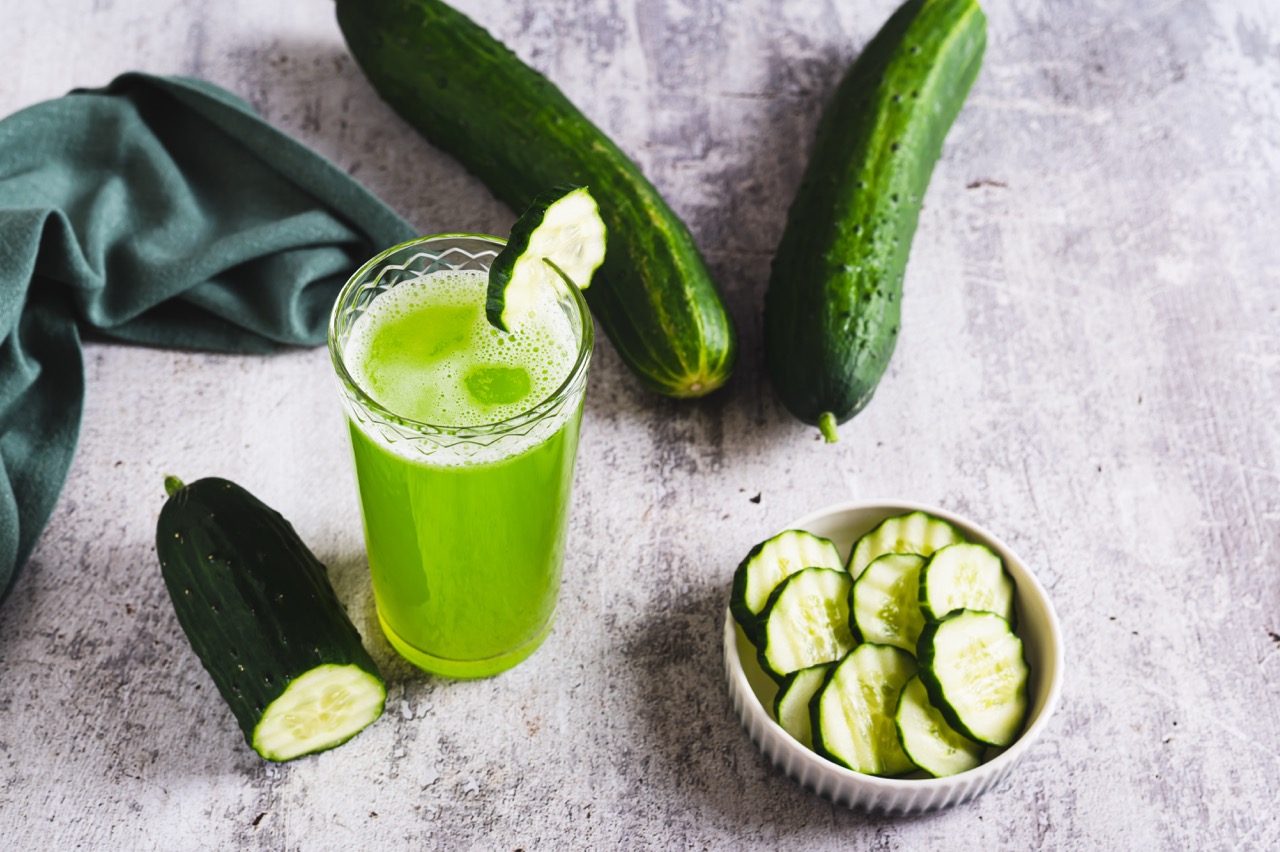
In the Lab, cucumber juice is extracted using a masticating cold-press system operating at below 50 RPM to prevent oxidative heat generation. The cucumber is juiced skin-on to maximize silica and cucurbitacin yield. The resulting juice is consumed immediately or stored at 4°C for a maximum of 24 hours to prevent enzymatic degradation and flavonoid oxidation. The ideal intake window is first thing in the morning, before any caloric input, to maximize the bioavailability of the silica and electrolyte compounds before digestive competition from food compounds begins.
A single 300ml serving prepared by this method delivers a nutritional payload that is categorically different from the cucumber water served at wellness spas. One is a dilute flavored beverage. The other is a precision-extracted phytonutrient solution. The distinction is not semantic — it is biochemical.
JOIN THE INNER CIRCLE
Tired of flavorless pings? Get the good stuff. We’ll text you secret blueprints, first dibs on Lab seats, and the occasional kitchen hack that actually works. Pure signal, zero spam. Let's cook.