
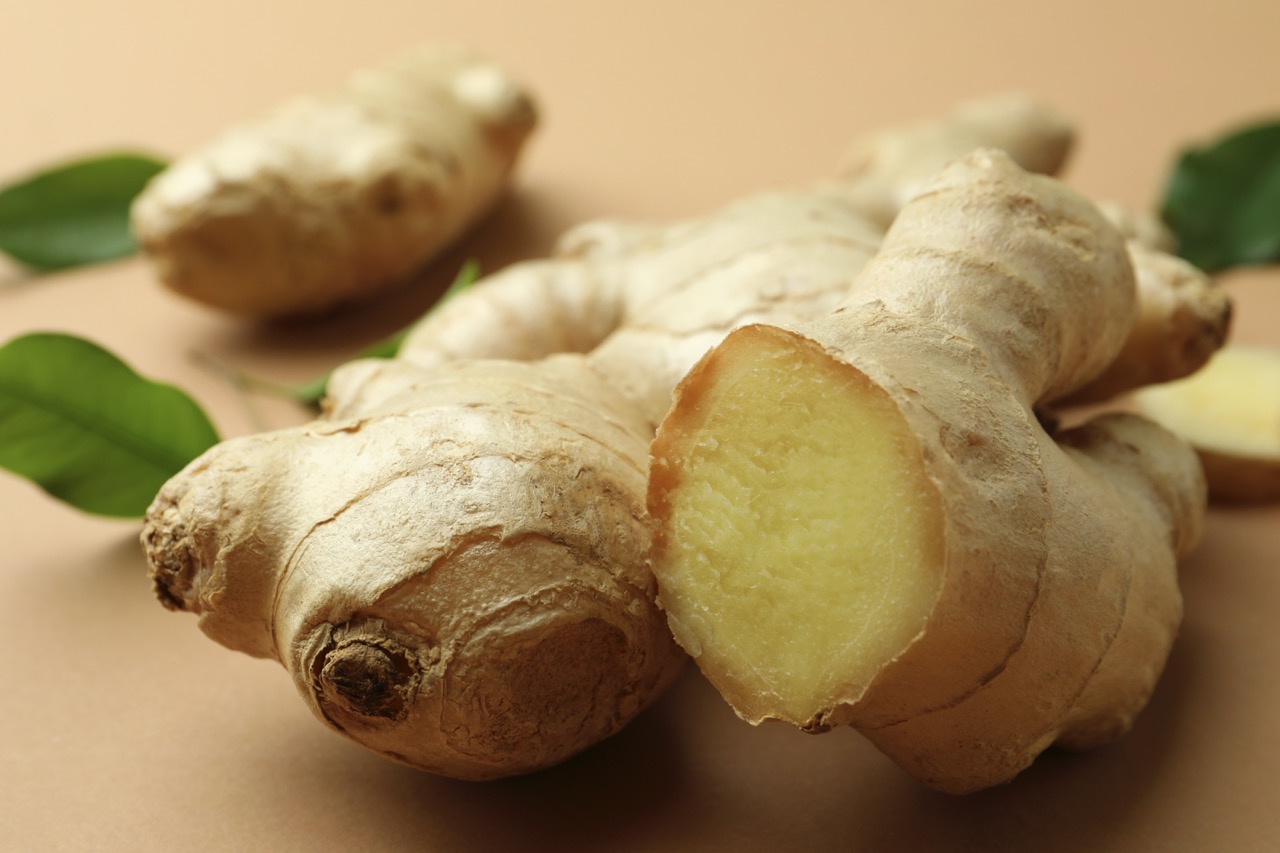
The Biochemical Identity of Zingiber Officinale
Ginger's status as a culinary staple obscures its true identity as one of the most pharmacologically dense rhizomes in the botanical world. The root contains more than 400 distinct chemical compounds, but its primary bioactive fraction is concentrated in a family of phenolic compounds known as gingerols, which undergo structural transformation during the drying and heating process to produce the related compounds shogaols and paradols. Understanding this transformation is fundamental to deploying ginger as a precision nutritional tool rather than simply using it as a flavoring agent.
Fresh ginger contains predominantly 6-gingerol as its dominant bioactive compound. When ginger is dried, the thermal dehydration process converts 6-gingerol into 6-shogaol through a condensation reaction that eliminates a water molecule from the gingerol structure. This structural change is pharmacologically significant: 6-shogaol has been demonstrated to have a substantially higher anti-inflammatory and antioxidant potency than its gingerol precursor, with activity against inflammatory markers at concentrations approximately twice as effective as the equivalent mass of fresh gingerol.
The COX-2 Inhibition Mechanism
The anti-inflammatory effect of ginger compounds is not mediated through a single pathway but through the simultaneous modulation of multiple inflammatory signaling cascades. The gingerols and shogaols function as selective inhibitors of cyclooxygenase-2 (COX-2), the enzyme responsible for converting arachidonic acid into prostaglandins — the lipid-based signaling molecules that mediate pain, fever, and the classical inflammatory response. This mechanism is pharmacologically similar to the action of non-steroidal anti-inflammatory drugs, but without the gastric mucosa damage associated with chronic pharmaceutical COX inhibition.
Ginger compounds also downregulate the expression of inducible nitric oxide synthase (iNOS) and inhibit the nuclear translocation of NF-κB, the master transcription factor that governs the expression of the majority of pro-inflammatory genes in the human genome. This multi-target approach to inflammatory modulation means that ginger's anti-inflammatory effect is broader and more systemically distributed than any single-target pharmaceutical anti-inflammatory agent can achieve.
Gastrointestinal Motility and the Prokinetic Effect
One of ginger's most mechanistically understood effects is its action on gastrointestinal motility. The gingerols and shogaols interact with the 5-HT3 serotonin receptors and the muscarinic receptors in the enteric nervous system — the distributed neural network embedded in the gastrointestinal wall that governs the coordinated muscular contractions of peristalsis. By binding to these receptors, ginger compounds accelerate gastric emptying and promote the coordinated muscular movement that propels food through the digestive tract.
This prokinetic effect has direct implications for nutrient absorption efficiency. Delayed gastric emptying — a common feature of high-fat meals and stress-related digestive impairment — extends the time during which partially digested food sits in the stomach, increasing the likelihood of bacterial fermentation, gas production, and the generation of compounds that trigger bloating and discomfort. By accelerating gastric emptying and normalizing peristaltic rhythm, ginger improves the conditions under which the small intestinal brush border enzymes make contact with food particles, optimizing the extraction and absorption of nutrients at every stage of the digestive process.
Thermogenic Effect and Metabolic Rate Modulation
Ginger exerts a thermogenic effect through a mechanism distinct from stimulant-based thermogenesis. The gingerols, specifically 8-gingerol, activate the Transient Receptor Potential Vanilloid 1 (TRPV1) channel — the same receptor activated by capsaicin in chili peppers. TRPV1 activation in the gastrointestinal mucosa and peripheral sensory neurons triggers a sympathomimetic response that includes increased norepinephrine release, elevated heart rate, and upregulation of uncoupled thermogenesis in brown adipose tissue.
The thermogenic effect of ginger is modest relative to high-dose capsaicin supplementation, but it operates through the same fundamental mechanism and accumulates meaningfully over consistent daily use. More significantly, ginger's thermogenic effect does not produce the cardiovascular side effects or gastric irritation associated with high-dose capsaicin consumption, making it a structurally safer long-term metabolic support compound for individuals who cannot tolerate capsicum-based thermogenic agents.
The Enzymatic Tenderization Mechanism: Ginger in the Kitchen Laboratory
Beyond its direct physiological effects, ginger contains a proteolytic enzyme called zingibain that catalyzes the hydrolysis of peptide bonds in meat proteins — specifically in the myofibrillar proteins actin and myosin that form the structural basis of muscle fiber. This enzymatic tenderization mechanism operates optimally in the temperature range of 50°C to 70°C and is completely denatured by temperatures above 80°C.
The practical implication for precision cooking is significant. A marinade containing fresh ginger juice, applied to protein for a minimum of four hours at refrigeration temperature, initiates a slow, controlled proteolytic process at the meat surface that tenderizes the outer myofibrillar matrix without affecting the structural integrity of the interior protein. The meat surface develops a more permeable structure that is more receptive to flavor penetration from additional marinade components, while the interior retains the moisture and texture of an unmodified protein. The zingibain is subsequently denatured during cooking, leaving no enzymatic activity in the finished dish.
The Lab Standard: Fresh, Dried, and Thermal Applications
In the Lab, ginger is deployed in three distinct forms depending on the application objective. Fresh ginger is used in cold preparations and low-temperature marinades where zingibain activity is the target. Dried ginger powder is used in applications where 6-shogaol bioavailability is the priority, such as in spice blends applied to proteins before high-heat cooking. And concentrated ginger extract is incorporated into pre-meal preparations where the prokinetic and anti-inflammatory effects are the primary nutritional goal.
Temperature management is paramount. Ginger's enzymatic compounds are heat sensitive. Its anti-inflammatory phenolics are relatively heat stable but degrade under prolonged high-heat exposure. Every application in the Lab is calibrated to the specific compound of interest and the temperature window that preserves it. Ginger is not simply an ingredient. In the hands of a precision cook, it is a suite of distinct biochemical tools that must be matched to the correct thermal environment to function as intended.
JOIN THE INNER CIRCLE
Tired of flavorless pings? Get the good stuff. We’ll text you secret blueprints, first dibs on Lab seats, and the occasional kitchen hack that actually works. Pure signal, zero spam. Let's cook.