The Compositional Anatomy of the Pressed Pear
The pear is among the most compositionally complex fruits available to the precision nutritionist. Its juice, when extracted without heat and without oxidative degradation, represents a concentrated delivery system for a specific and underappreciated class of bioactive compounds. The primary interest from the Lab's perspective is not the pear's sugar content — which is often the only variable discussed in mainstream nutritional discourse — but rather the unique molecular architecture of its fiber, its phenolic distribution, and its enzymatic activity profile.
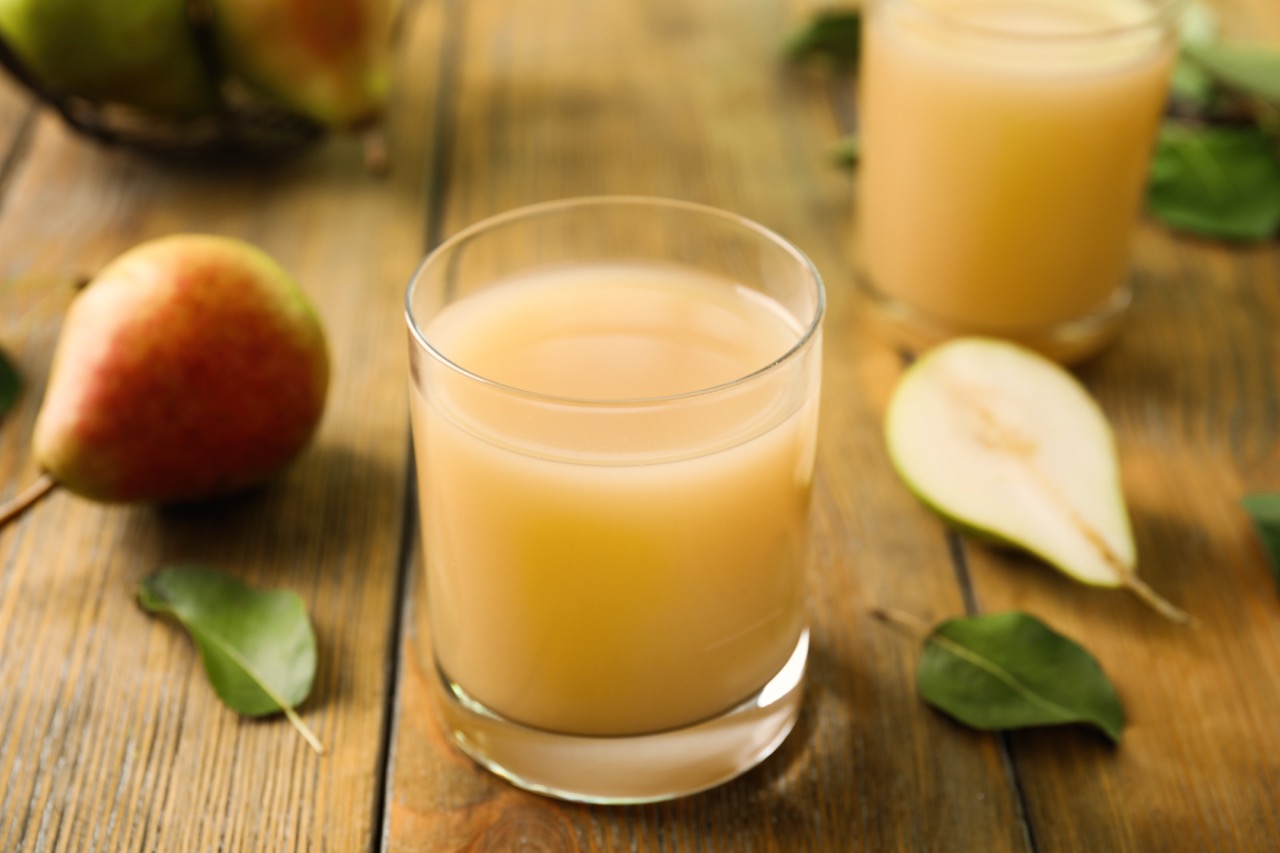
The fresh pear is approximately 84 percent water by mass, with the remaining 16 percent distributed across fructose, glucose, sucrose, dietary fiber, vitamins, minerals, and a diverse array of polyphenolic compounds. When juiced, the water-soluble fraction of these compounds is liberated into the liquid, creating a solution that carries a significant portion of the fruit's nutritional value in a bioavailable form. The critical distinction, however, lies in the extraction methodology. Cold-pressed extraction preserves the integrity of the polyphenols and the enzymatic compounds. Heat-treated or centrifugally extracted juice destroys the very compounds that make the pear nutritionally relevant.
Chlorogenic Acid and the Hepatic Advantage
The phenolic compound most densely concentrated in fresh pear juice is chlorogenic acid, a hydroxycinnamic acid derivative that functions as a potent antioxidant and a meaningful modulator of hepatic glucose metabolism. Chlorogenic acid works through a dual mechanism: it inhibits glucose-6-phosphatase, the enzyme responsible for releasing glucose into the bloodstream from liver glycogen stores, and it simultaneously increases the sensitivity of peripheral tissues to insulin signaling.
The practical implication for anyone managing glycemic response is significant. Consuming pear juice as part of a meal, rather than in isolation on an empty stomach, creates a chlorogenic acid environment in the gut that tempers the glucose response to the carbohydrates consumed alongside it. This is not a marginal effect. Studies examining chlorogenic acid intake have consistently demonstrated post-prandial glucose reductions of between 15 and 30 percent when consumed in clinically relevant quantities — a range well within the natural concentration found in a 250ml serving of cold-pressed pear juice.
Sorbitol: The Prebiotic Dimension
Pear juice contains a notable concentration of sorbitol, a sugar alcohol that has a dual function in human physiology. At moderate intake levels, sorbitol acts as a selective prebiotic substrate, feeding beneficial bacterial populations in the large intestine — particularly Bifidobacterium and Lactobacillus strains — without being metabolized into glucose in the small intestine. This selective fermentation produces short-chain fatty acids, most importantly butyrate, which serve as the primary fuel source for colonocyte cells lining the intestinal wall.
A well-nourished intestinal lining maintains tight junction integrity — the structural sealing between intestinal cells that prevents the translocation of bacterial endotoxins and undigested food particles into systemic circulation. The integrity of this barrier is now understood to be a foundational variable in metabolic health, inflammatory load, and immune function. The sorbitol in pear juice, consumed as part of a structured dietary approach, contributes meaningfully to the maintenance of this barrier at its cellular fuel supply level.
The Copper and Vitamin K Intersection
Pear juice provides a concentration of copper and Vitamin K that is rarely highlighted in conventional nutritional coverage of the fruit. Copper is an essential cofactor for a range of enzymatic processes, including the production of ceruloplasmin, the primary carrier protein for iron in the blood, and the synthesis of dopamine beta-hydroxylase, the enzyme that converts dopamine into norepinephrine. Suboptimal copper status is associated with impaired iron utilization, abnormal cholesterol metabolism, and reduced antioxidant enzyme activity throughout the body.
Vitamin K, present primarily as phylloquinone in pear juice, supports the post-translational modification of proteins involved in calcium metabolism and coagulation. Its most structurally significant role is the activation of matrix Gla-protein, a potent inhibitor of arterial calcification. When Vitamin K levels are insufficient, this protective protein remains inactive, and calcium progressively deposits in arterial tissue rather than in bone matrix where it belongs. The regular consumption of vitamin K-containing foods such as pear juice contributes to the ongoing activation of this inhibitory system.
Cold-Press Protocol and Optimal Intake Architecture
In the Lab, pear juice is treated as a precision nutritional input rather than a beverage. The extraction temperature must remain below 6°C throughout the cold-press process to prevent phenolic oxidation and the deactivation of the natural enzymes that contribute to the juice's digestive efficacy. The juice must be consumed within 48 hours of extraction and should never be pasteurized if the objective is to preserve the full bioactive profile.
The optimal intake window is 20 to 30 minutes before a meal containing moderate to high carbohydrate content, to position the chlorogenic acid at the intestinal absorption interface before the glucose load arrives. A serving of 200 to 250ml is sufficient to deliver clinically meaningful concentrations of the key compounds without introducing an excess of fructose that would need to be managed by hepatic metabolism. The pear is not a simple fruit. Its juice, handled correctly, is a sophisticated nutritional tool.
JOIN THE INNER CIRCLE
Tired of flavorless pings? Get the good stuff. We’ll text you secret blueprints, first dibs on Lab seats, and the occasional kitchen hack that actually works. Pure signal, zero spam. Let's cook.